
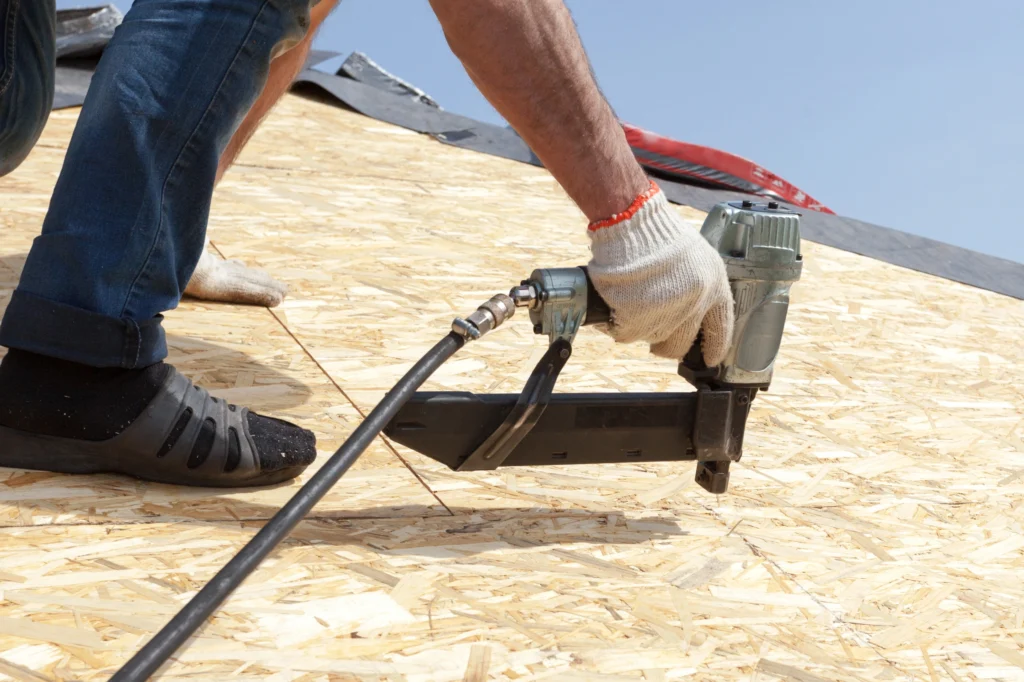
Discovering a leak in your roof can be a stressful experience. Water dripping from your ceiling or pooling in your attic often indicates a severe problem that needs immediate attention. The roof repair Columbia MO professionals will understand the urgency of roof leaks and are there to guide you through the steps you should take to address the issue promptly and effectively.
Identifying the Source of the Leak
1. Locate the Leak
The first step in addressing a roof leak is to locate its source. Check your attic for signs of water stains, mold, or damp insulation. Follow the path of the water to identify the point of entry. Sometimes, the source of the leak can be far from where the water is visible inside your home.
2. Inspect the Roof Exterior
Once you have a general idea of where the leak might be, inspect the exterior of your roof. Look for damaged or missing shingles, cracked flashing, or other signs of wear and tear. Pay special attention to areas around chimneys, vents, and skylights, as these are common spots for leaks.
Common Causes of Roof Leaks
1. Damaged Shingles
Shingles can become damaged due to age, weather conditions, or improper installation. Cracked, curled, or missing shingles can allow water to penetrate the roof structure.
2. Compromised Flashing
Flashing seal joints and seams around roof features like chimneys and vents. If the flashing is cracked, corroded, or improperly installed, it can lead to leaks.
Clogged Gutters
Gutters clogged with leaves and debris can cause water to back up and seep under the roof’s edge, leading to leaks.
3. Roof Vent Issues
Vents are essential for roof ventilation, but if they are damaged or improperly sealed, they can become entry points for water.
4. Age and Wear
All roofing materials deteriorate over time. An aging roof is more susceptible to leaks and other issues.
Steps to Take When Your Roof is Leaking
1. Minimize Water Damage
Place buckets or containers under the leak to catch dripping water. Move any valuables and furniture away from the area to prevent further damage. Use towels or mops to soak up any standing water.
2. Temporary Fixes
If you can safely access your roof, apply a temporary patch to the damaged area using roofing tape or a tarp. This can help minimize further damage until professional help arrives.
3. Contact a Professional
For a permanent solution, it’s crucial to contact a professional roofing contractor that offers emergency services to address urgent issues and provide thorough inspections to identify the root cause of the leak.
4. Document the Damage
Take photos and notes of the damage for insurance purposes. This documentation can be helpful when filing a claim with your homeowner’s insurance provider.
Preventing Future Leaks
1. Regular Inspections
Schedule regular roof inspections to catch potential issues before they become significant problems. At ROOF U.S., we recommend annual inspections, especially after severe weather events.
2. Maintain Gutters
Keep your gutters clean and free of debris to ensure proper water drainage. Consider installing gutter guards to minimize clogs.
3. Prompt Repairs
Address any minor roof issues promptly to prevent them from escalating into more severe problems.
4. Proper Ventilation
Ensure your roof and attic have proper ventilation to prevent moisture buildup and reduce the risk of leaks.
Now What?
A leaking roof can indicate underlying issues that require immediate attention. By identifying the source of the leak, taking prompt action to minimize damage, and seeking professional help, you can protect your home from further harm.